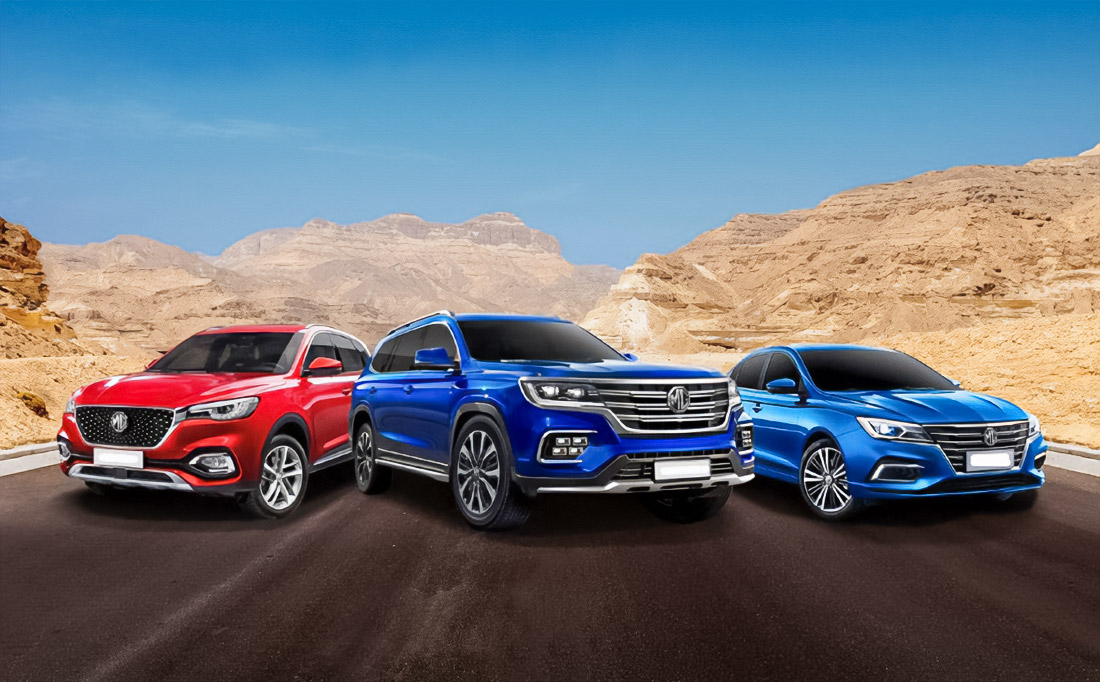
The wild flower season in the western regions is almost six months of transformation of the earth, stretching for about 2,500 kilometers, into a living kaleidoscope of shades. More than 12,000 plant species bloom here, and about 60 percent of them are found only in these places. The flowering wave begins to move in the north in June, passes through the central regions in August and reaches its peak brightness in September, then descending to the south, where forests and coastal landscapes continue to bloom until October and November. Therefore, choosing a car to travel along these routes becomes key, especially if considering options like luxury car rental Australia, it depends on which locations will be available, how comfortably you can explore trails, campgrounds and difficult road sections.
Which Routes Of The Wild Flower Season Require Special Transportation

Seasonal routes include both affordable expensive loops and remote sections where an ordinary city car cannot always cope. For example, the Wildflower Way is about 309 kilometers long and runs through paved roads, historic villages and floral landscapes, so most cars are suitable for such a journey. There are 21 interpretive points located here, helping to keep the route and immerse yourself in the natural features of the regions.
But the Granite Loop Wildflower Trail, which stretches for about 843 kilometers, leads through gravel roads, loops between granite outcrops, and open areas with possible bumps. On such routes, a car with increased ground clearance gives more freedom, especially if the traveler wants to get to the edges of trails, parking areas near cliffs or campsites hidden between granite massifs and shrubby areas.
Coastal routes 200–300 kilometers long, where trails cross low-growing meadows, shrubs and coastal dunes, usually combine asphalt and compacted soil. Here, cross-country ability is more important than power, but stability on uneven roads makes the ride easier and opens up more points for observing everlasting carpets, orchids and wildflowers.
Hiking Trails And Areas Where It Is Better To Drive A High-Speed Car

Many popular trails are accessible to any vehicle, but if you plan to visit remote areas where there are loop routes for 2.4–4.5 kilometers, as well as longer hikes for 7–11 kilometers, then high ground clearance and stability become especially important. These trails pass through ravines, dry riverbeds, woodlands, granite cliffs, and meadows, where everlasting carpets can occupy entire fields.
Depending on the rains in winter, the peak of flowering may shift by several weeks. Dense everlasting carpets last for about three weeks, but driveways may be wet, slippery, or partially washed out at this point. Therefore, cars like universal SUVs or four-wheel drive models are often chosen by those who plan to cover the maximum locations in a short time.
Which Car Is Best Suited For Seasonal Flowering Routes

If you plan to drive within the main trails and light trails, standard passenger cars are suitable. They are comfortable, economical and allow you to bypass most of the viewing points along the flower routes.
For those who seek to get to more hidden areas for example, to distant parking lots near granite remnants, camping sites in forest areas or gravel roads on the way to coastal meadows cars with high ground clearance are considered optimal. They are easier to overcome the terrain, maintain stability on dirt roads and allow you to safely approach the points where hiking trails begin.
And if the goal is to explore the entire range of routes: from long circular paths to remote places along flower fields, including access roads to dry riverbeds and trails to rocky peaks, an all wheel drive car remains the best choice. It reliably walks on gravel, withstands frequent stops on unstable surfaces and facilitates access to areas where ordinary cars will not always be able to reach.

The pandemic showed us that poverty is a policy choice – we must do better