UAE schools guide
Why active breaks are essential for younger students in the UAE
Between the cool marble corridors of a Dubai primary school and the shaded courtyards of Abu Dhabi, one thing decides how well a six-year-old learns: what they do in the ten minutes between lessons. For younger students in the UAE, active breaks are not a soft add-on. They are the mechanism that lets a small body burn off tension, and a small brain come back ready to listen. This guide looks at how outdoor play works across three parts of the country, what it does for the child, and what parents and teachers can do to protect it.
The jump from kindergarten to Grade 1 is one of the sharpest transitions in a young child’s life. In nursery, the day is a loose weave of naps, snacks, songs and free play. A few months later the same child is expected to sit still, follow written instructions, and hold attention through a 40-minute lesson. That mismatch is where stress builds. Bodies fidget. Emotions leak out at the wrong moments. Homework battles start at home.
Active breaks are how schools defuse that pressure before it turns into behaviour problems. Ten minutes of running, climbing, or a quick game outside lets the child empty the tension that quiet classroom work quietly stacks up. When they come back in, they are calmer, more focused, and, oddly, more willing to sit still. Good kindergarten classes in the UAE build this rhythm in from the very first week, so the shift into primary school feels less like a wall.
What the body does for the brain
Movement is not a break from learning, it is part of it
Physical activity increases blood flow to the brain, lifts mood, and helps consolidate whatever the child just learned. The World Health Organization recommends at least 60 minutes of moderate-to-vigorous activity a day for children aged 5 to 17. In a UAE school day that runs from around 7:30 to 2:30, most of those minutes have to come from breaks, PE, and after-school play.
There is also an emotional side that adults often miss. Younger students do not yet have the words for frustration, boredom, or homesickness. They express those feelings through their bodies. A slide, a climbing frame, a football pitch, these are the tools a six-year-old actually uses to say “today was hard.” Take that outlet away and the feelings do not disappear. They come out as tears at pickup or a meltdown over the wrong-colour water bottle.
Dubai: shaded playgrounds and clever timing
Dubai schools have adapted to the climate in ways that would surprise a visiting teacher from a cooler country. Most primary campuses in Jumeirah, Al Barsha and Arabian Ranches now build shaded outdoor play zones, cooled water fountains, and covered turf areas that stay usable well into May. Break schedules are shifted earlier so that the biggest active break lands before the sun is at its worst.
For a Grade 1 student, that means the day still has real running-around time, not just an indoor “movement corner.” Parents choosing a school in Dubai should ask specifically how outdoor breaks are protected during warmer months, because the answer varies a lot between campuses.
Abu Dhabi: structured play as part of the curriculum
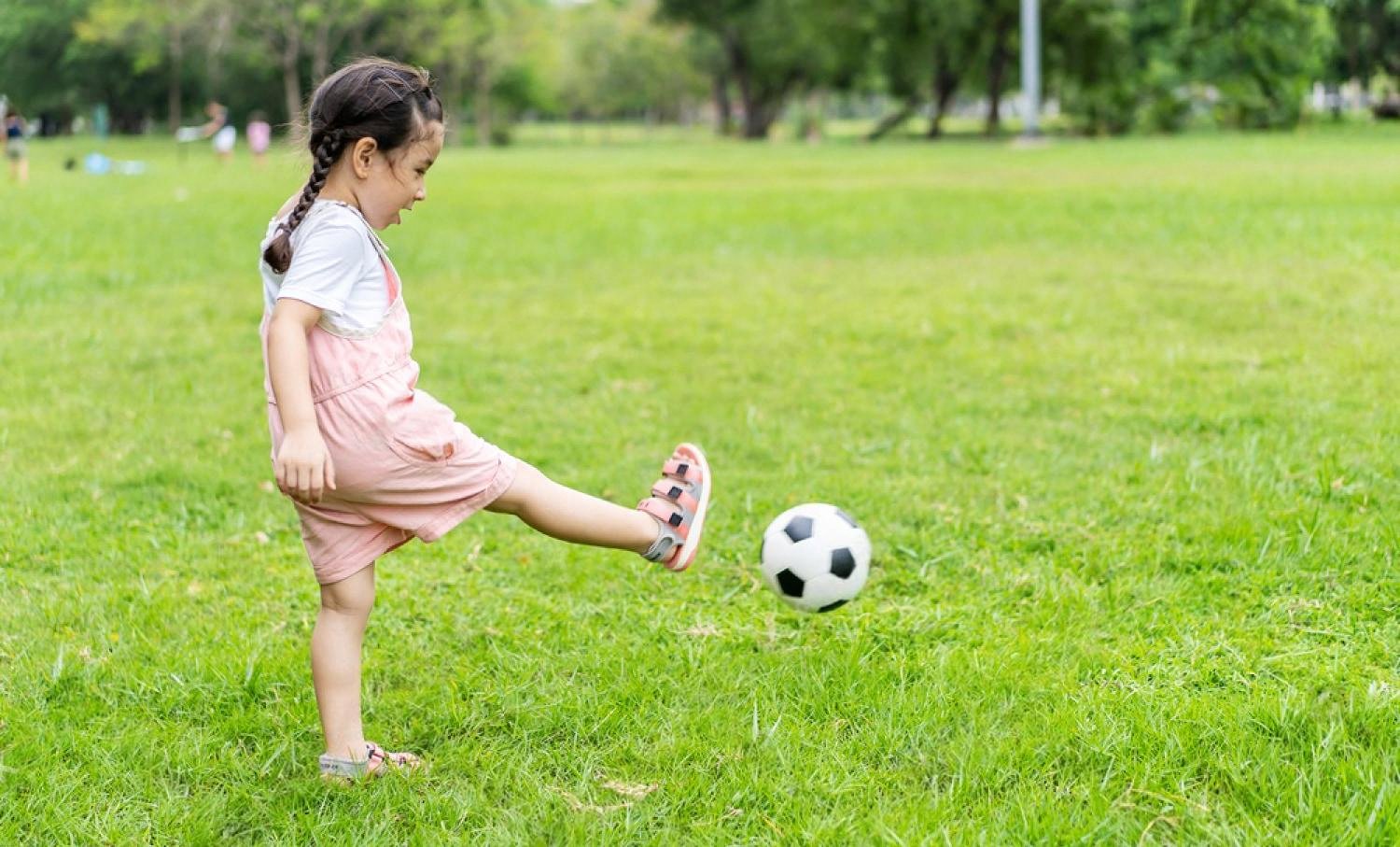
Schools in Abu Dhabi, particularly those following the ADEK framework, have leaned into structured active play as a curriculum element rather than a filler. On Saadiyat, Yas and Al Reem, you will often see teachers running short movement games during breaks: relay races, cooperative ball games, or simple obstacle courses. The idea is not to militarise recess, it is to make sure the quietest and most anxious children are actually moving, not sitting alone on a bench.
This matters for younger students who are new to the UAE. Families arrive from all over the world, and a five-year-old who does not yet speak the playground’s dominant language can shut down socially very fast. A gently guided group game gives them an entry point that does not depend on words.
Sharjah and the Northern Emirates: community parks after school
In Sharjah, Ajman and Ras Al Khaimah, a lot of the active-play story happens after the last bell. Community parks like Al Montazah, Al Majaz Waterfront, and the corniche playgrounds in RAK are packed from late afternoon onward with primary-age children. For families in villas with small gardens or apartments without dedicated play areas, these public spaces do a real job.
Parents who make a habit of stopping at the park on the way home, even for twenty minutes, tend to notice the same thing: dinner is calmer, homework is faster, and bedtime is less of a negotiation. The child has already spent the day’s leftover energy.
Practical tips for UAE parents and teachers
- Front-load activity. A short walk, scooter ride, or garden game before school helps young children settle into their first lesson faster.
- Protect the outdoor break. If a school regularly cancels recess as punishment for the class, ask about the policy. Younger students almost always need the break more than they need the lecture.
- Pack for heat. A refillable water bottle, a cap, and a spare t-shirt in the bag mean your child will actually use the playground instead of standing in the shade.
- Use the cooler months. From November to March, the weather across the Emirates is ideal for weekend park visits, cycling on the Al Qudra tracks, or beach play in Umm Suqeim and Yas.
- Watch the after-school load. Back-to-back tutoring and extra worksheets can quietly wipe out the recovery a school day of active breaks just delivered.
- Ask about PE frequency. Two structured PE sessions a week is a reasonable floor for primary students. Anything less puts more weight on breaks alone.
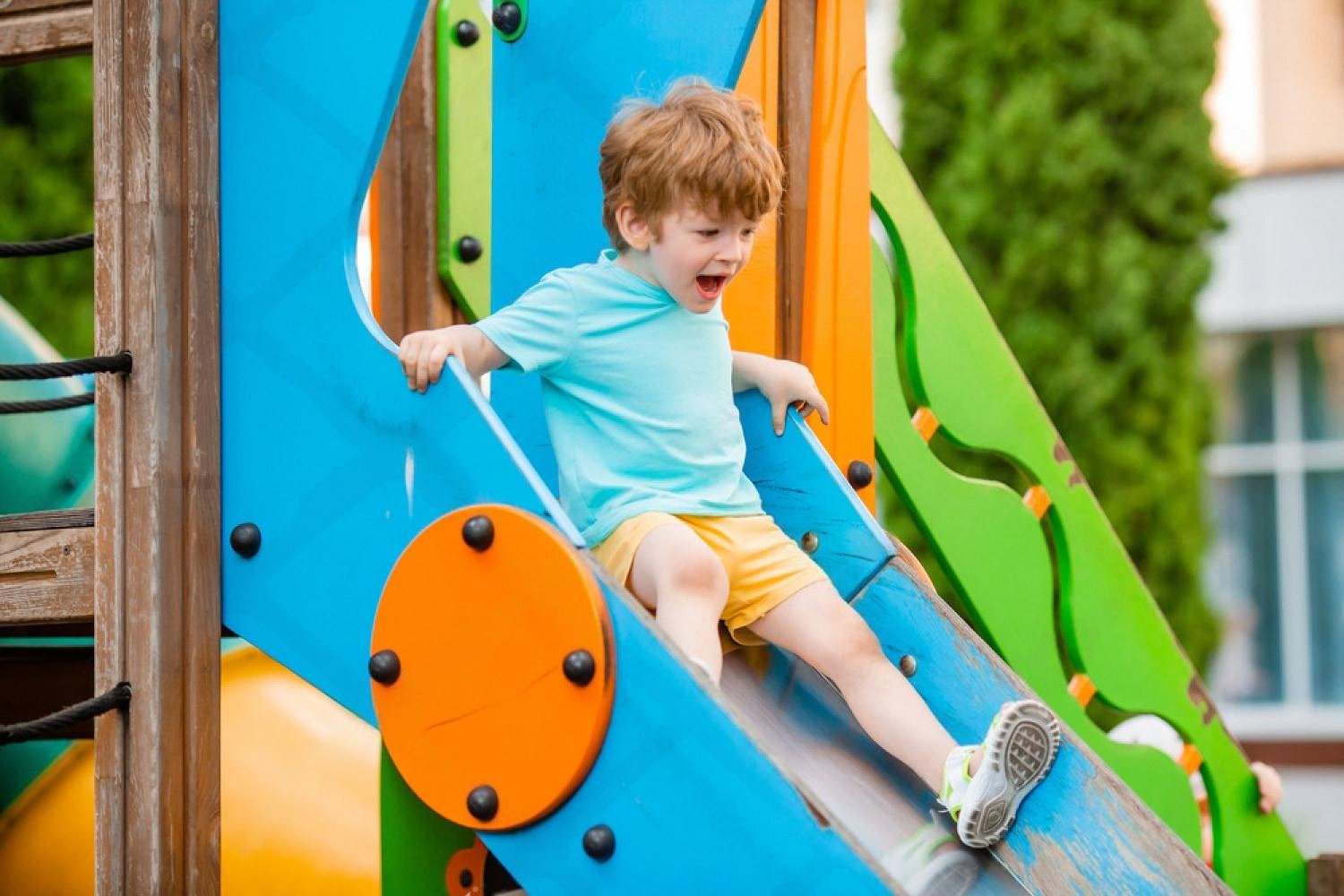
A child who has just climbed a ladder, run to the fence, and slid down a slide is a child ready to hear you. A child who has been sitting for two hours is not.
The transition year is the one that matters most
If there is one age to fight hardest for active breaks, it is four to seven. This is when the child is being asked to accept a completely new deal: no more naps, no more open play all day, a new adult with new rules, and, often in the UAE, a new country and language on top of everything else. The nervous system of a small child copes with that load through movement. Not through willpower, not through sitting quietly, through movement.
Schools and families that understand this end up with children who like school. Those who ignore it end up wondering why a bright five-year-old suddenly says her tummy hurts every Sunday morning. The playground is not a distraction from learning. In the early years, it is often what makes the learning possible.
Frequently asked questions
How long should an active break be for a Grade 1 student in the UAE?
Most UAE primary schools schedule at least one 15 to 20 minute outdoor break and a shorter snack break during the morning. For younger students, that longer break is the important one, because it gives enough time to actually run, climb, and reset. Anything under 10 minutes tends to be swallowed by lining up and settling.
Is outdoor play safe during the hot months in Dubai and Abu Dhabi?
Between roughly June and September, extended midday outdoor play is not sensible. Most reputable schools switch to shaded turf areas, cooled water stations, and earlier break times to keep active play going without heat risk. On the hottest days schools move to indoor movement spaces. Parents should ask each school how they handle this rather than assume.
My child is very quiet and does not join playground games. What can I do?
Quiet children often need a bridge rather than a push. Speak to the class teacher about structured group games at break, which are common in Abu Dhabi and Dubai primary schools. At home, book one or two small group activities a week, a swim class, a football session, or scouts, where the framework does the socialising work for your child.
Does active break time actually improve academic results?
Yes, and this is well-documented. Regular physical activity is linked to better attention, working memory, and classroom behaviour, particularly in younger children. In practical terms, teachers report that classes coming back from a real outdoor break settle faster and produce better work than classes kept indoors.
What can I do at home in an apartment without a garden?
Most UAE communities have a shared park or playground within a short walk. Make a habit of a 20 to 30 minute stop after school, even if it is just scooting around the block. On weekends, use community parks like Al Barsha Pond Park, Umm Al Emarat Park, or Al Majaz Waterfront. Indoor play centres in malls are a useful backup during peak summer.
At what age can I start structured sports for my child in the UAE?
Most academies in the UAE, football, swimming, gymnastics, tennis, accept children from around four years old, with sessions designed as play rather than serious training. Before age six, the goal should be enjoyment and general movement, not skill drilling. One or two sessions a week is plenty on top of school breaks and free play.
The pandemic showed us that poverty is a policy choice – we must do better